

Retirement Village Purchases
Buying Into a Retirement Village? Know Exactly What You're Signing
A retirement village purchase is not the same as buying a house — you're buying a licence to occupy, not the property itself. This guide explains, in plain English, how Occupation Right Agreements really work, the questions to have answered in writing before you sign, and how our $603.75 Pre-Purchase Report establishes whether the village you have chosen can meet your needs — not just today, but for the rest of your life.
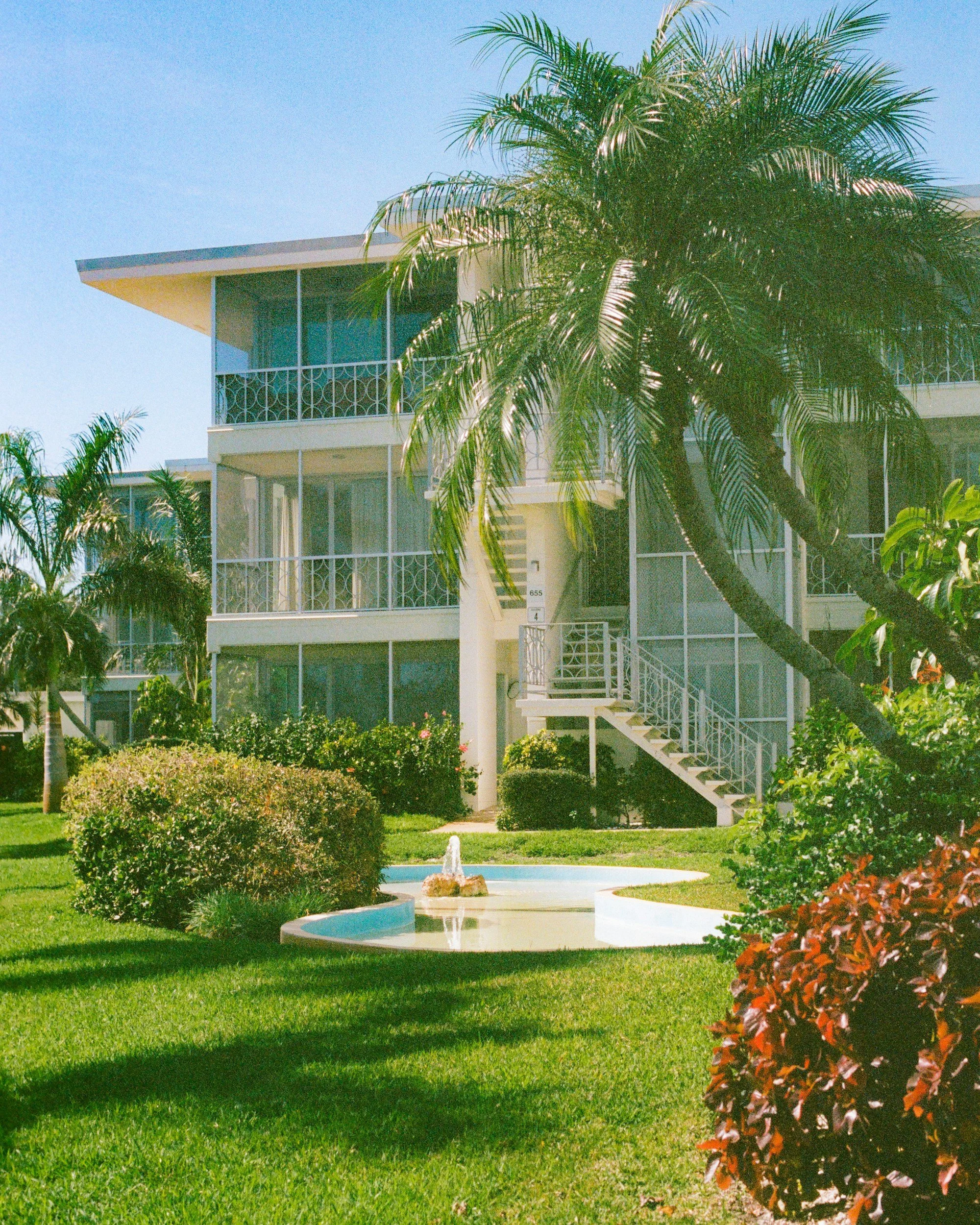
When you "buy" in a retirement village, you are entering into an Occupation Right Agreement (ORA) — and the differences from a house purchase shape everything else on this page. An ORA is a personal contractual right to occupy your unit for as long as you're able to live there. You don't own the unit, your rights usually can't be registered against the title, and in most villages you don't share in any capital gain when it's resold. The Retirement Villages Act 2003 requires every village to be registered, to appoint an independent statutory supervisor who holds security for residents, to give you a detailed disclosure statement, and to follow the Code of Residents' Rights and the Code of Practice. You must receive independent legal advice before signing an ORA, and you have a cooling-off period of at least 15 working days after signing, during which you can cancel without giving a reason. The best time to get the decision right, though, is before you sign.What You're Buying — and What You're Not
A licence, not a title
Real statutory protections
Advice before you sign — by law

The legal documents matter — but so does the life you'll live there. Weigh both sides honestly before you commit. Before we complete our report, we ask every client to confirm two things: that you have visited the village and are satisfied it provides the accommodation, amenities and community you want — not just for today, but for the foreseeable future — and to tell us about your present health. Your health shapes which questions matter most: the availability of care, the terms of transfer if your needs change, and how quickly your money comes back if you have to move. We'd rather ask now than have you discover the answers later.Is Village Life Right for You?
Visit first — and be honest about your health
Six money questions decide whether an ORA is right for you. Open each one — these are the points our report tests clause by clause. The Deferred Management Fee (DMF) is the village's charge for your time there, deducted from your entry payment when you leave. Typically it's 20% to 30% of what you paid, accruing over roughly two to five years and then capped. Two details matter more than the headline percentage: In most ORAs your exit payment is your entry payment less the DMF — a fixed number, set on the day you buy. You don't share in capital gains (and usually aren't exposed to capital losses). If a comparable unit is worth far more in ten years, you still receive the same fixed amount. We calculate that number for you — at year one, year two, and once the DMF is fully accrued — because every question about funding your future care depends on it. It should be the first number you and your family discuss. This is where ORAs differ most, and where the documents deserve the closest reading. In many agreements, the village must repay you only after a new resident has been found for your unit and has paid in full. Some villages offer a backstop — payment within a set period (often 6 to 12 months) even if the unit hasn't resold — and some pay interest while they hold your money. Many offer neither, and some buyback promises can be suspended in defined circumstances. Historic resale times in the disclosure statement are a record of what has happened, not a promise about what will. Our report tells you exactly what your agreement provides: whether there's an outside date, whether interest is payable (and when it isn't — payment is often deferred until probate on a death), and how long the weekly fee keeps running after you leave. The weekly fee covers rates, insurance, common-area maintenance, staffing, management and facilities. Many villages offer a choice: a variable fee that rises each year (often with NZ Superannuation), or a fixed-for-life fee that costs more now in exchange for certainty later. Which is better depends on your age and likely length of stay — we'll give you our honest view for your situation. Also check what the fee doesn't cover, and whether there's a genuine long-term maintenance (sinking) fund behind the village — and whether it's large enough to matter. Scattered through the fine print of many ORAs are costs that surprise residents later. The ones we check for include: Choosing the wrong village is the most expensive mistake in retirement. Suppose you pay $1,000,000 for an ORA with a 30% DMF accruing over three years, and after three years the village turns out not to suit you — the care you now need isn't available, or the life isn't what was promised. That is why the analysis happens before you sign, not after. There is no cooling-off period three years in.How the Money Really Works

Most people buy into a village partly for the reassurance that care will be there if they need it. Whether that reassurance is real depends entirely on the documents — and this is where they most often disappoint. The Retirement Villages Act requires every ORA to contain provisions about the transfer of residents within the village — but it does not require those provisions to give you a right to transfer, and most don't. In most ORAs, moving to a serviced apartment, care suite or care home is an application: the village may decline it if nothing suitable is available or if it considers the accommodation unsuitable for you, and you may or may not have priority over applicants from outside the village. Our report tells you exactly what your agreement gives you: a right, a priority, or only a hope. Large operators often use one standard ORA across all of their villages. We have analysed agreements whose care-transfer clauses are written entirely around care suites — at villages that have no care suites. On their face, those clauses cannot operate where you would be living: there may be no contractual pathway into care at all, and no mechanism to roll your capital over into it. The questions to resolve before you sign: what care is the village actually certified to provide (rest home, hospital, dementia, psychogeriatric), how many beds exist at each level on this site — as opposed to somewhere in the operator's network — and do the clauses in your ORA match the village in front of you? This is the question families most often fail to ask until it is too late to do anything about it. Your exit payment is fixed by what you paid; the price of a care suite or serviced apartment is set by the market at the time you move. The longer you stay, the larger the likely shortfall. Three further questions decide whether the move is affordable, and the documents rarely answer them in your favour: Will the village credit your exit payment against the new unit's price, or must you find the money before your unit has resold? Does a second DMF start accruing from zero on the new unit? And is there a hardwired dollar cap on the total DMF across both agreements — or only a percentage, which a higher second price defeats? Residential care in New Zealand is charged at a daily rate. For standard care, that rate is usually anchored to the maximum contribution set under the operator's agreement with Health New Zealand — Te Whatu Ora. But some agreements let the operator set the fee by reference to your individual needs, which means it can exceed the publicly funded rate — and premium room charges and additional service fees sit on top and are rarely disclosed up front. Ask now, in writing: the current daily fee at each care level, the current premium room charge, and whether the fee is anchored to the Te Whatu Ora maximum. The village operator, the care facility operator, and the parent company that made the brochure promises are often different legal entities. A commitment made by one does not automatically bind another — and when you move into care, you will usually sign a separate admission agreement with the care company, on its terms, at that time. Ask for that admission agreement now, and ask which entity stands behind each promise you are relying on. For couples, the hardest questions arrive when one partner needs care and the other stays in the unit. Does the ORA continue unchanged for the partner remaining? Are you then paying the weekly fee and daily care fees at the same time, and for how long is that sustainable on your figures? What happens to the unit, and to the exit payment, when the second partner eventually moves or dies? Our report works through this with your actual numbers — including the implications for any future Residential Care Subsidy application. Where the documents don't answer a care question, the matter is left to the village's discretion at the time. The only reliable answers are the ones obtained in writing, before you sign — which is exactly what our report is built to identify and pursue.Your Future Care — the Questions That Matter Most
Silence is an answer — and it isn't in your favour
You choose the village: visit it, live with the idea, satisfy yourself about the community and the amenities. Then collect every document — because the documents, not the brochure, are what you'll be living with. Who owns and manages the village — and through which legal entities. The identity and role of the statutory supervisor. The precise legal interest you acquire (licence to occupy, unit title, or something else). Entry payments, ongoing weekly fees and billing frequency. Deferred Management Fees and exit deductions. Estimated financial returns on resale at 2, 5 and 10 years. The village's audited or current financial accounts. The current state, condition and maintenance standards of the village. Available services, communal facilities and future development plans. Resale timeframes and policies for vacant units. The disclosure statement (the Act requires it before you sign, covering the matters above). The full Occupation Right Agreement and the application or agreement you're asked to sign. The Code of Residents' Rights, the Code of Practice and the Village Rules. For a serviced apartment or care suite, the admission agreement for the care services. And — supplied only if you ask — the operator's most recent audited financial statements, the deed of supervision and the village's certificate of insurance. The village's registered documents can also be checked free on the Retirement Villages Register at the Companies Office. Every operator must register the village under the Act (s 10) and appoint a statutory supervisor — an independent licensed supervisor who monitors the village's financial position and the security of residents' interests — and must file an annual return (s 13). On registration, a memorial is noted against the title to the village land (ss 21–22), restricting what a bank or other security holder can do to defeat residents' interests — protection that matters most if the operator ever fails. Your ORA must be in a clear and unambiguous form and contain the provisions Schedule 3 of the Act requires (s 27) — covering staffing, safety, transfers within the village, maintenance, termination, consultation before the village is sold or a new manager appointed, and more. You must receive independent legal advice before signing: your signature must be witnessed by a lawyer, who must certify that the general effect of the agreement and its implications were explained to you first. And you may cancel, for any reason, within 15 working days of signing (s 28) — a right that cannot be contracted out of. An ORA entered into while the village was unregistered (or registration suspended) is voidable by the resident for up to three years, or six months after the resident knows or ought to know of the contravention, whichever is less (s 31). If the agreement omits the Act's prescribed terms, or the prescribed information wasn't delivered before signing, the corresponding periods are one year and six months. Every village must have a code of residents' rights (s 32, Schedule 4): the right to the services promised in your ORA, to information, to consultation about material changes, to complain and be answered, to a speedy disputes process, to a support person, to courtesy — and not to be exploited. Every village must comply with the Code of Practice (s 89). If a complaint isn't resolved, the dispute can go to a disputes panel drawn from a list approved by the Retirement Commissioner. The panel has real teeth: it can amend an ORA, order compliance, order money paid or refunded, and — in termination disputes — order the operator to market the unit in a particular way or at a particular price, pay compensation and interest, or acquire the resident's interest at a price and time the panel fixes. Decisions are binding, subject to appeal rights. The Act guarantees disclosure, advice, a cooling-off period and a disputes process. It does not set the DMF, cap your weekly fees, give you capital gain, fix how quickly you're repaid when you leave, or give you a right to move into care within the village. All of those are left to the terms of your own ORA. Reform of the Act has been under consideration; whatever form reform ultimately takes, changes of this kind generally apply to agreements signed after they commence — your protection today is the agreement you sign today. Check the village's registration and its registered documents, including the disclosure statement, free of charge. The full text of the Act, as currently in force, on the official legislation website. The Retirement Commissioner's independent guidance for people considering retirement villages. Free, independent tools and guides on retirement housing decisions and funding them.Do Your Homework — the Documents and the Law
Ownership & Structure
Costs & Financials
Operations & Lifestyle
The documents to collect — all of them
Retirement Villages Register
Retirement Villages Act 2003
Te Ara Ahunga Ora Retirement Commission
Sorted

These are the kinds of questions we put to villages on our clients' behalf. Villages rarely vary their standard terms — but the right questions, asked in writing, always produce value: binding written answers about care, fees and repayment that you can rely on in five years' time. A general assurance from a salesperson binds nobody in five years' time, which is when these answers will matter. Occasionally a village does agree to a special term, and we will tell you when a request is worth making. But your real protection is choosing the right village before you sign — and the hard part isn't asking these questions. It's interpreting the answers against the clauses of your particular ORA. That is what our report does.The Questions to Ask — in Writing, Before You Sign
Get it in writing — every time
You choose the village. Our report establishes whether it can meet your needs — not just today, but for the rest of your life — before you sign anything. The Occupation Right Agreement, the disclosure statement, the summary of key terms, your application agreement, any admission agreement and building condition reports, the Code of Residents' Rights — and the operator's financial statements, which we tell you how to request, because they are not supplied unless you ask. A plain-English advice letter setting out our analysis in the order the issues will affect you over the years ahead — leading with the findings that matter most — plus a Schedule of Analysis recording every question, every answer, and the exact clause it comes from, so you and your family can check each point yourselves. We identify the questions to put to the village in writing and obtain the answers that will bind it. Villages rarely vary their standard terms — so above all, the report tells you whether this is the right village to commit the bulk of your savings to. Part A — the questions the documents answer, each with the clause reference so nothing rests on our say-so. Part B — the questions the documents don't answer, which we recommend you put to the village in writing and have answered before you sign. Part C — the matters the documents leave to the village's discretion or answer against you, so you commit (if you commit) with your eyes open. Where a special term is realistically worth requesting, we say so — and draft it. Sometimes the honest answer is that this village cannot meet your likely needs — the care you may require doesn't exist on site, the care clauses can't operate, or the exit terms make a future move unaffordable. Because you haven't signed, you are free to choose again. Assessing the next village means a fresh report on its documents — we can only ever analyse the village in front of you — but as the exit arithmetic above shows, the cost of getting this decision wrong is measured in hundreds of thousands of dollars. $603.75 is the cheapest insurance in retirement. To complete the report we ask you for three things: details of your present health (both of you, for couples); your confirmation that you have visited the village and are satisfied it provides the accommodation and amenities you require now and for the foreseeable future, and that you will be happy living there; and your funding plan — including whether a family trust is lending (we can prepare the Deed of Loan) and whether you may rely on a Residential Care Subsidy later. And a point that surprises many clients: signing the village's application form is not the commitment. The application is not legally binding, and no cooling-off clock starts when you sign it. The purchase only becomes binding — and the 15-working-day cooling-off period only starts — when you sign the Occupation Right Agreement itself, in the presence of a lawyer who certifies that its effect and implications were explained to you first. So the right time for the report is after your application and before the ORA is signed: that is when the analysis, and the village's written answers, can still shape your decision. Villages also commonly require copies of your Enduring Powers of Attorney and confirmation of a valid Will before settlement — see below. Many of these decisions are made by families together — and the report is written for the family, not just the resident. The Schedule of Analysis lets sons and daughters verify every finding against the actual clause, share it between siblings, and ask us the follow-up questions. If you're helping a parent weigh up a village, email reception@rossholmes.co.nz and we'll talk you through how it works. Many care admissions are decided and signed not by the resident, but by a son or daughter acting under an Enduring Power of Attorney. The purchase works the same way — but the signing requirements change, and we handle all of them: If you hold an Enduring Power of Attorney for a parent and the village has sent the documents for signing, email reception@rossholmes.co.nz — this is everyday work for us.Our Pre-Purchase Report — $603.75, Including GST
What we review
What you receive
What happens next
The Schedule of Analysis — three parts, no gaps
If the village fails the test
What we need from you — and why timing matters
👨👩👧 Helping a parent decide?
🖋️ Buying Through an Attorney — When a Parent Can No Longer Manage the Purchase

Every fee below is our discounted fee, including GST, which applies when you pay within 7 days of invoice. Acting on your purchase from documents to moving in: the plain-English summary of your agreement's key terms with references to the relevant clauses, explaining and certifying the agreement, monitoring any conditions, and settlement. The full analysis described above: whether the village you have chosen can meet your needs for the rest of your life, with the Schedule of Analysis and the written questions whose answers bind the village. Where family members or a family trust lend part of the purchase price, a Deed of Loan protects the lender — and protects the position for any future Residential Care Subsidy application. Home visits, disputes and unexpected additional attendances are charged on a time-and-attendance basis at our current hourly rates — and we tell you before any additional cost is incurred.Our Fixed Fees — Published, Like All of Our Fees
Village Purchase — $1,800.00
Pre-Purchase Report — $603.75
Deed of Loan — $360.00
Every fee below is our discounted fee, including GST, which applies when you pay within 7 days of invoice. Acting on your purchase from documents to moving in: the plain-English summary of your agreement's key terms with references to the relevant clauses, explaining and certifying the agreement, monitoring any conditions, and settlement. The full analysis described above: whether the village you have chosen can meet your needs for the rest of your life, with the Schedule of Analysis and the written questions whose answers bind the village. Where family members or a family trust lend part of the purchase price, a Deed of Loan protects the lender — and protects the position for any future Residential Care Subsidy application. Home visits, disputes and unexpected additional attendances are charged on a time-and-attendance basis at our current hourly rates — and we tell you before any additional cost is incurred.Our Fixed Fees — Published, Like All of Our Fees
Village Purchase — $1,800.00
Pre-Purchase Report — $603.75
Deed of Loan — $360.00
Most Occupation Right Agreements require you to provide the village with copies of your Enduring Powers of Attorney (property, and personal care and welfare) and to confirm you have a valid Will — often before settlement. If yours need preparing or updating, we offer property transaction clients 50% off all of our will-based estate planning documents — wills, enduring powers of attorney, advance health care directives and letters of wishes — provided you complete our online form and sign them at the same time as your village documents.🎉 Your Will and EPAs — Most Villages Require Them, and We Make It Easy